SERVICE GALLERY
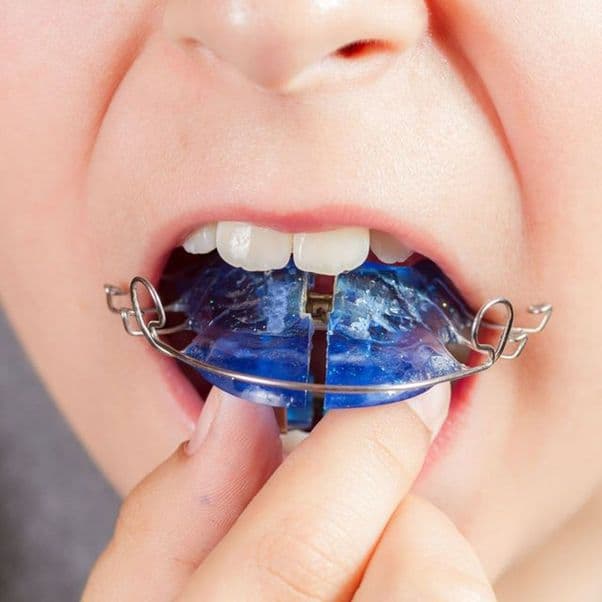
Removable appliances for children
Removable dental appliances for children are orthodontic devices that the patient removes and places themselves, used to guide jaw development and tooth position during growth. They are used for:
- •Jaw expansion
- •Bite correction
- •Creating space for permanent teeth
- •Breaking habits such as thumb sucking
- •Gentle guidance of teeth at an early age
Fixed metal and ceramic braces
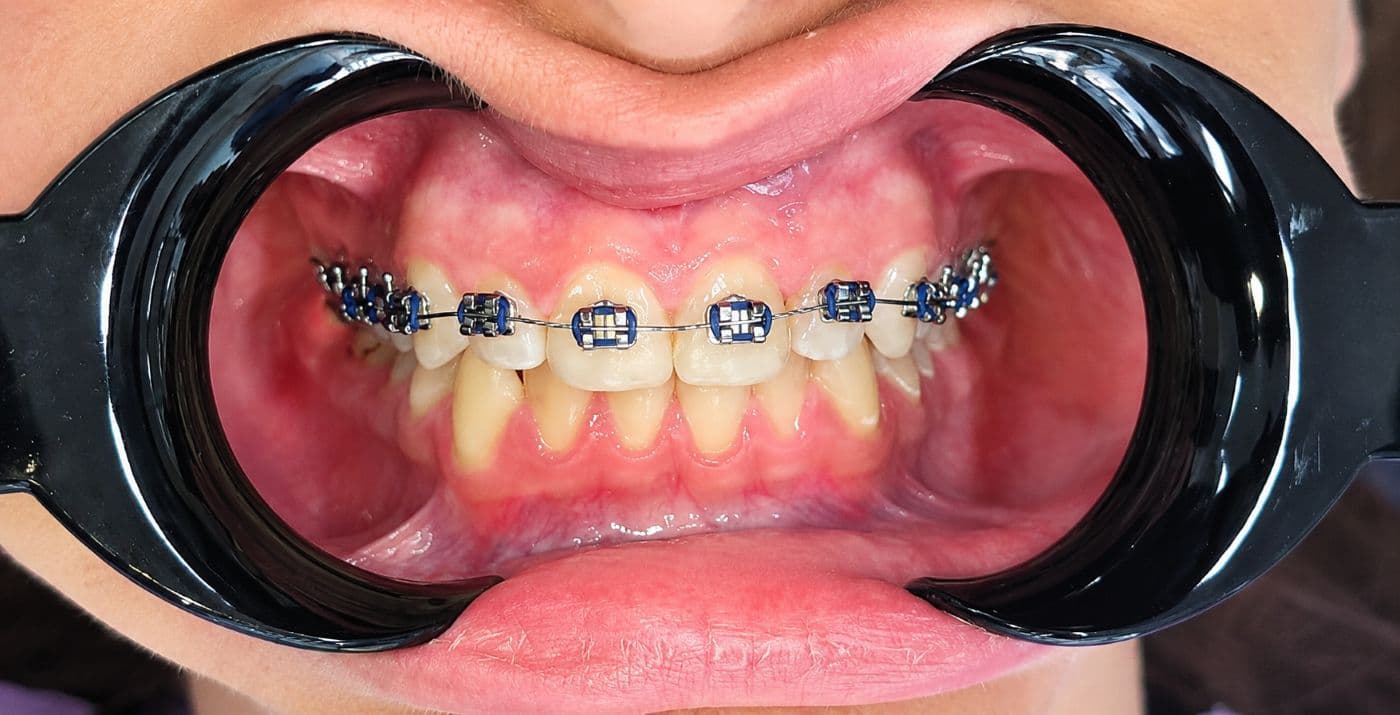
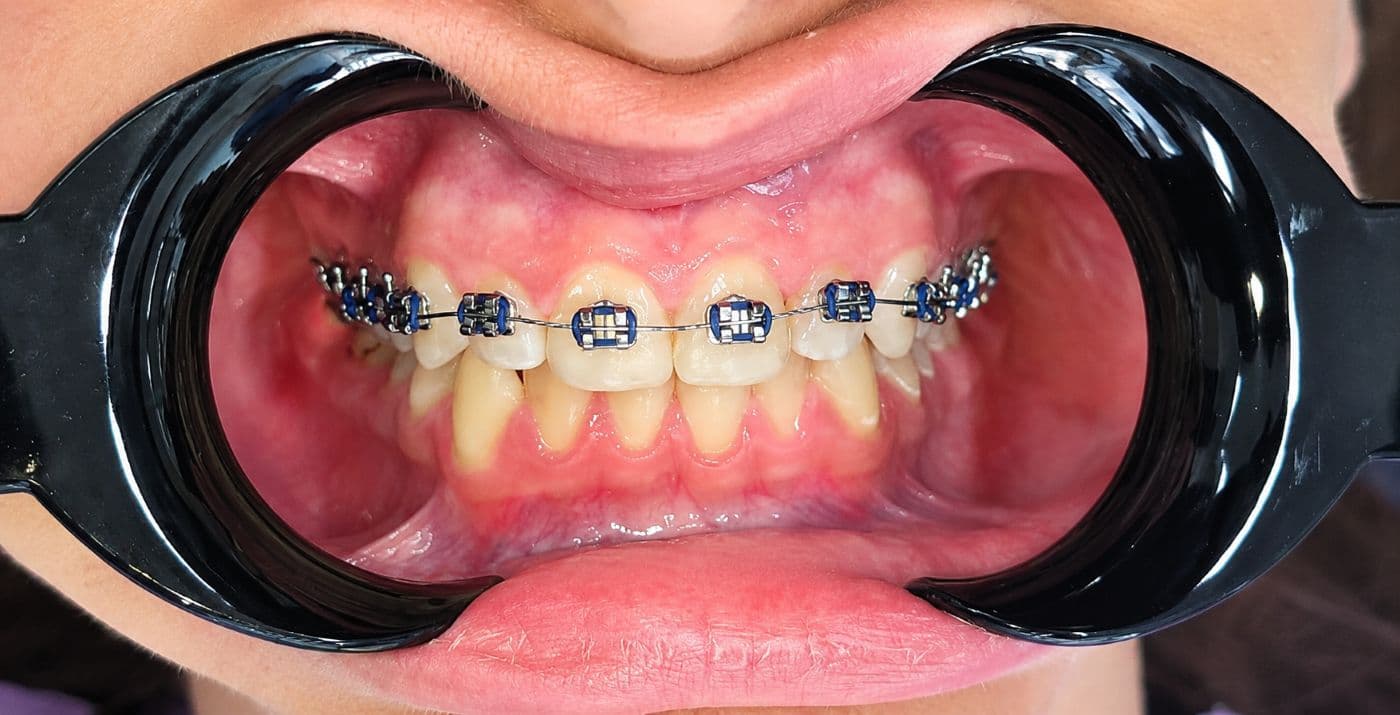
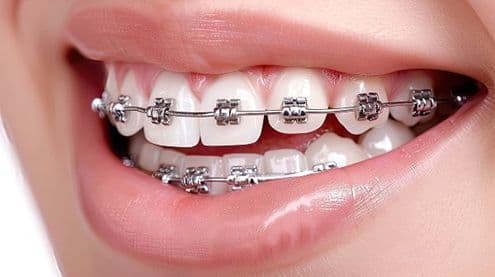
These are orthodontic treatments used to guide teeth and correct the bite. They are fixed to the teeth and work gradually to move them into the proper position.
Metal braces consist of metal brackets and orthodontic wires. They are highly durable, effective, and usually the more economical option. They are used for both simple and complex corrections.
Ceramic braces have tooth-colored brackets, making them more aesthetic and discreet. They are very popular among teenagers and adults who want a less visible treatment.
WHY AURA CLINIC ?
PERSONALIZED PLAN
Each orthodontic treatment is tailored to tooth position, bite, and individual goals.
REGULAR MONITORING
Periodic checkups support safe progress and long-term stability.
Benefits of braces
More aligned teeth and a more harmonious smile
Braces gradually align teeth for a more balanced and aesthetic look.
Improved bite
Correcting tooth and jaw position helps upper and lower teeth meet better when the mouth closes.
Easier long-term oral hygiene
When teeth are more aligned, cleaning and gum care can become easier.
Maintained result with proper retention
After treatment, retainers help keep teeth in their new position and reduce relapse risk.
THE PROCESS
An organized journey towards the perfect smile
ORTHODONTIC CONSULTATION AND ASSESSMENT
Initial clinical assessment analyzes tooth position, bite, and orthodontic treatment needs.
TREATMENT PLANNING
The most suitable appliance type is selected based on case complexity, functional and aesthetic goals, and expected timeline.
APPLIANCE PLACEMENT
The appliance is placed and the patient receives guidance on oral hygiene, daily care, and periodic checkups.
RESULT RETENTION
After active treatment, a retainer is usually used to preserve the new tooth position.
When are braces recommended?
- •when teeth are crooked or crowded
- •when there are spaces between teeth
- •when teeth protrude or are out of line
- •when bite does not close correctly
- •when aesthetic and functional smile improvement is needed
Orthodontic treatment aims not only to improve smile appearance, but also bite and easier oral care.

Orthodontic Technology
Careful orthodontic planning for precise alignment and improved function.
Progressive alignment
Individual customization
Result stability
Frequently Asked Questions
Related services